
Tooth Extractions
Remove the Problematic Tooth, Restore Your Oral Health
As your dental team, one of our primary goals is to save your natural teeth. That said, there are some cases when the best thing for your oral health is to perform an extraction, including if a baby tooth refuses to fall out on its own. If that’s the case for you, you can have peace of mind knowing that our experienced and caring dental team will go above and beyond to make the entire experience as stress-free and pain-free as possible. If you are interested in learning more, simply read on or give us a call.
Why Choose Dr. George Salem and Associates for Tooth Extractions?
- Dentist with Over 35 Years of Experience
- Beautiful, Modern Dental Office
- Convenient Hours, Including Saturdays
Reasons Why Tooth Extractions Are Necessary

From tooth-colored fillings to root canals, there are several restorative treatments that allow us to address dental damage without extracting your tooth. However, there are some cases when that’s the only option, including if:
- The tooth is damaged beyond the point of repair
- One or more wisdom teeth are impacted below the surface
- A baby tooth refuses to fall out on its own
- Room needs to be made in your mouth prior to orthodontic treatment
If that’s the case, then we will recommend an extraction, answer any questions you have, and create your custom treatment plan.
The Process of Removing a Tooth
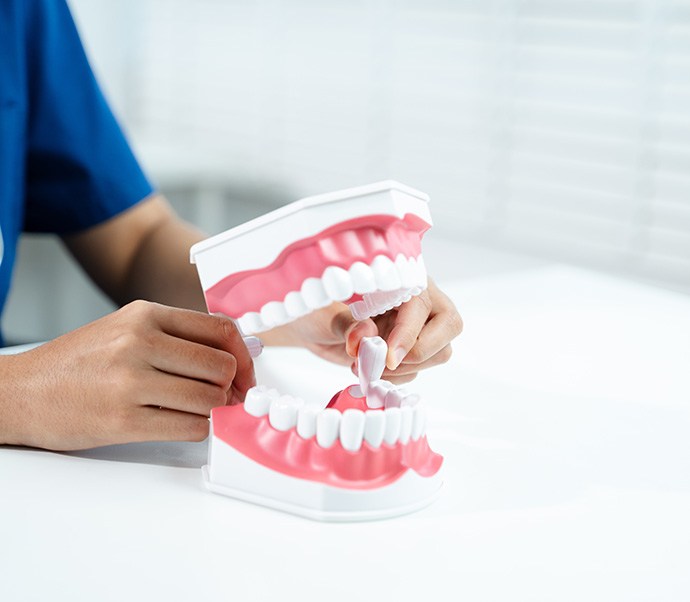
There are actually two different types of tooth extractions: a simple extraction and a surgical extraction. A simple extraction is used when the tooth has broken through the gumline, allowing us to rock it loose until it’s ready to be removed. With a surgical extraction, an incision needs to be made in the gums to access the tooth first. Then, it can be removed section by section. Rest assured, the first step of the procedure is always the same: to numb your mouth thoroughly.
Tooth Extraction Aftercare

To help you heal comfortably at home, your emergency dentist in Braintree will provide you with a list of aftercare instructions. Some general ones include:
- Sticking to a soft foods diet
- Not using a straw, smoking, or spitting
- Taking prescribed or OTC pain medication as directed
- Changing the gauze pads as needed
- Brushing and flossing carefully around the extraction site
Around the 5-day mark, you should start to feel significantly better. If that’s not the case, then give us a call so we can learn more about your symptoms and determine if a follow-up visit is needed.